Washed Ashore®

Art to Save the Sea

Six larger-than-life marine sculptures made entirely from plastic debris, bringing a global conservation message to Topeka.

Washed Ashore: Art to Save the Sea Traveling Exhibit in Topeka, Kansas

From May through September 2026, the Topeka Zoo & Conservation Center, in collaboration with the Topeka Rotary Club, will bring the internationally recognized Washed Ashore® exhibit to Topeka.

This powerful outdoor exhibit features six monumental sculptures of ocean animals, all created from discarded plastic and other debris collected primarily along coastlines. Each piece tells a story—about our everyday choices, plastic pollution, and the shared responsibility we have to protect our planet.

Washed Ashore® transforms trash into thought-provoking art, making the invisible impacts of plastic pollution visible from northeast Kansas to the global ocean.

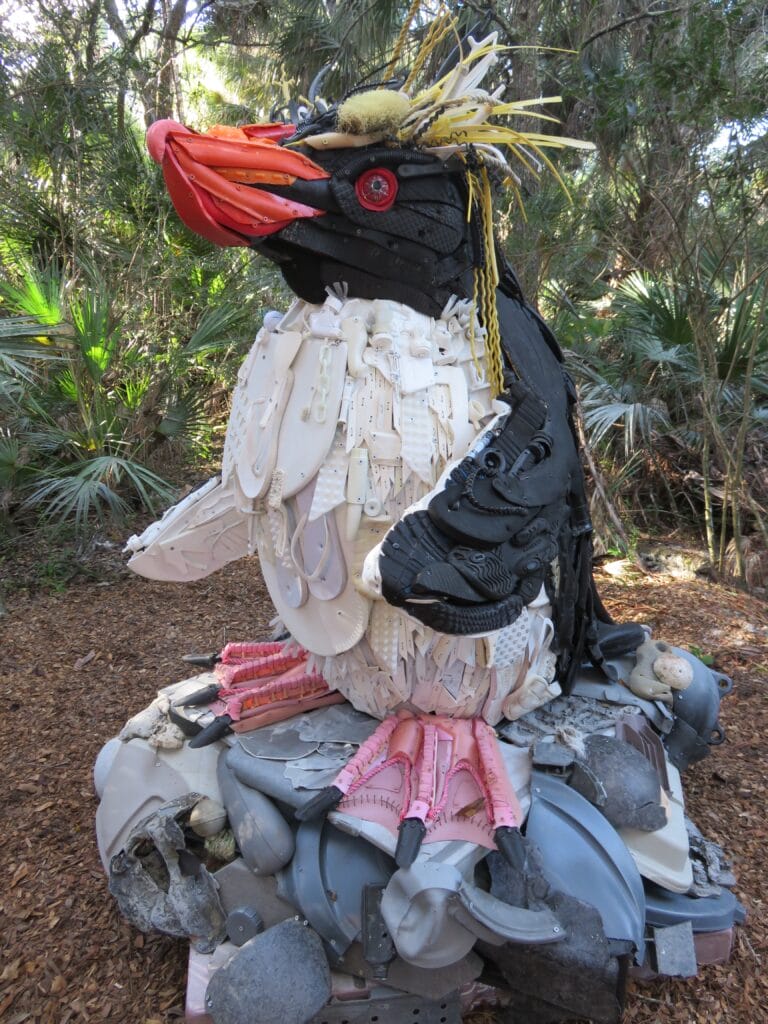
Washed Ashore - Zora the Rockhopper Penguin

See the Impact of Plastic Pollution Up Close

Washed Ashore® is a globally recognized art and education project that uses marine debris to create sculptures of ocean wildlife affected by plastic pollution.

Every sculpture is built entirely from materials that were once discarded—bottles, toys, packaging, and other single-use plastics—highlighting the urgent need to rethink how we use and dispose of plastic.

The message is simple: what we throw away doesn’t go away.

Six Sculptures. One Community. One Message.

Six sculptures will be displayed across Topeka, encouraging exploration throughout the community:

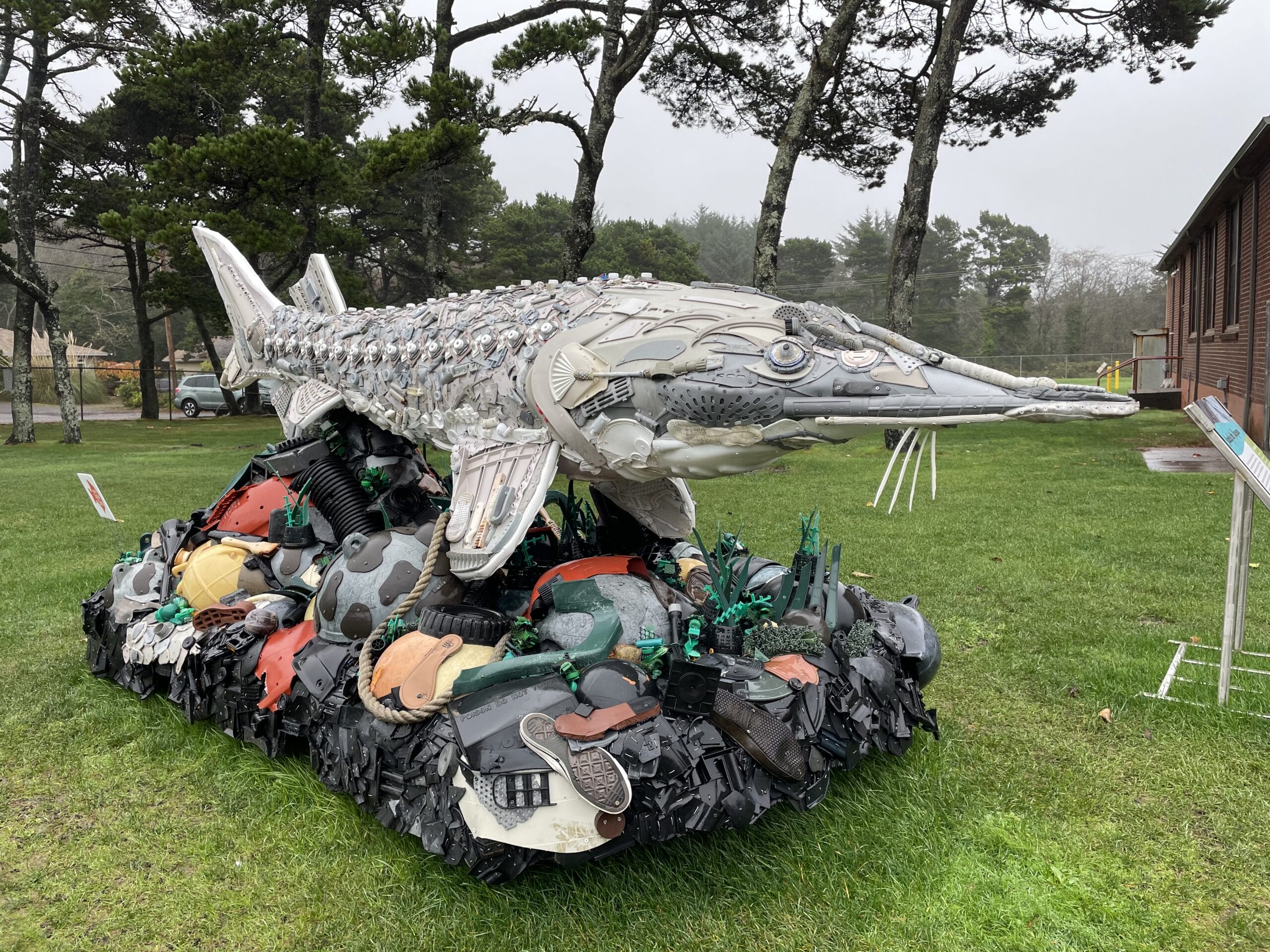
Stanley the Sturgeon

Topeka Zoo & Conservation Center
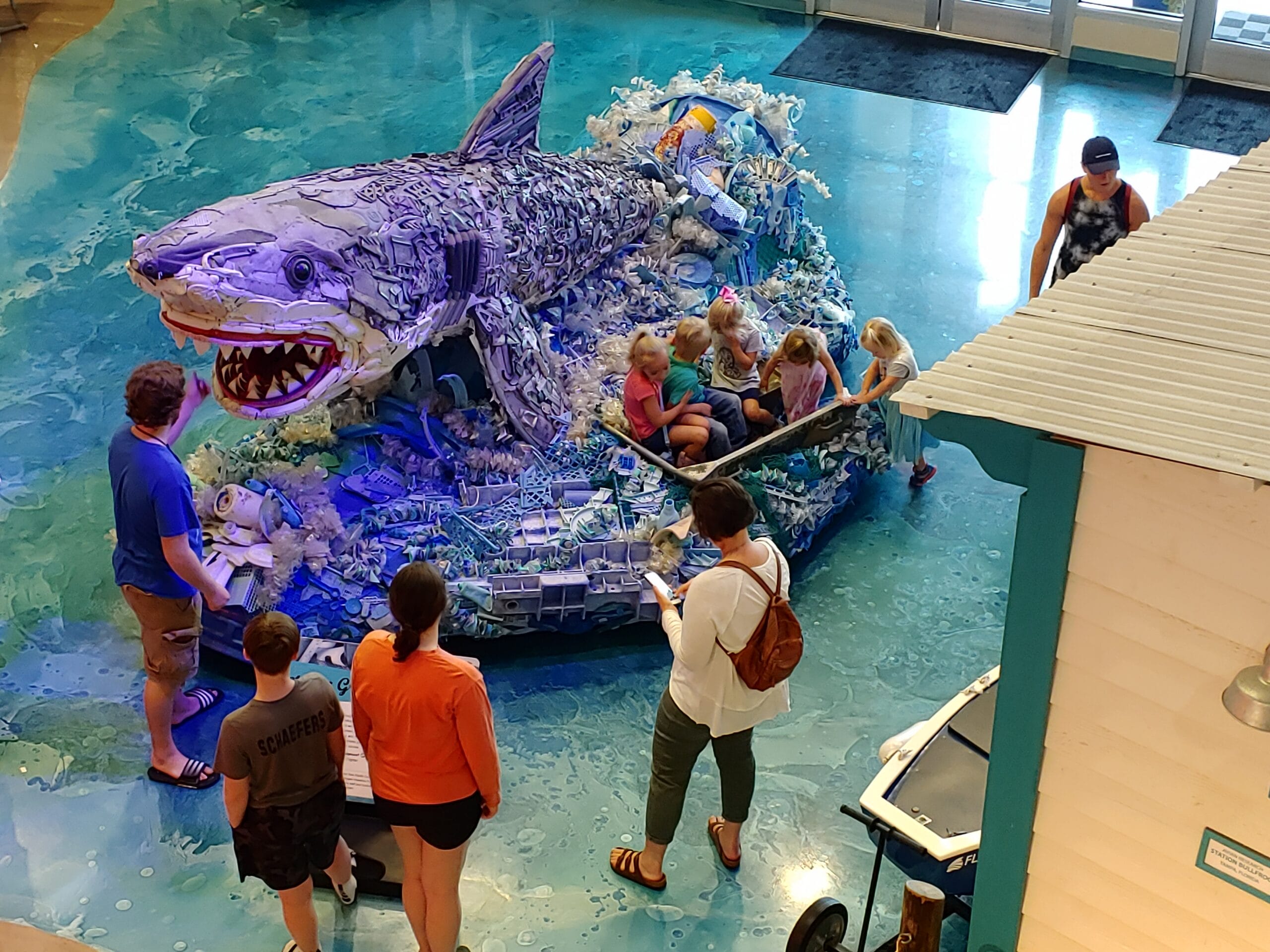
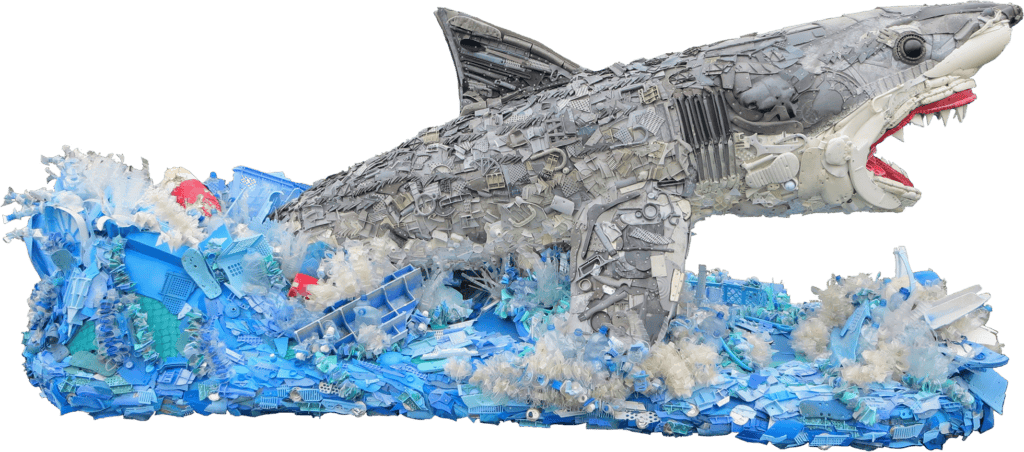
Greta the
Great White shark

Topeka Zoo & Conservation Center
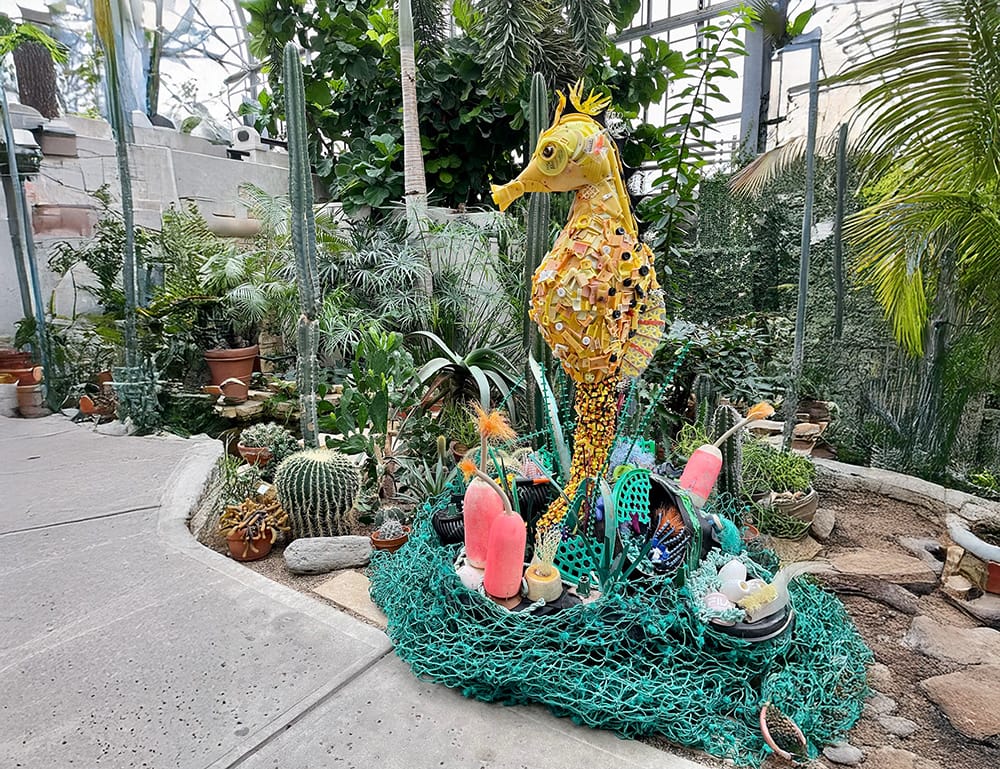
Dandelion the Seahorse

Kansas Children’s Discovery Center

Bernie the royal Blue Tang

Topeka & Shawnee County
Public Library

Sea Jelly Bloom

NOTO Arts District
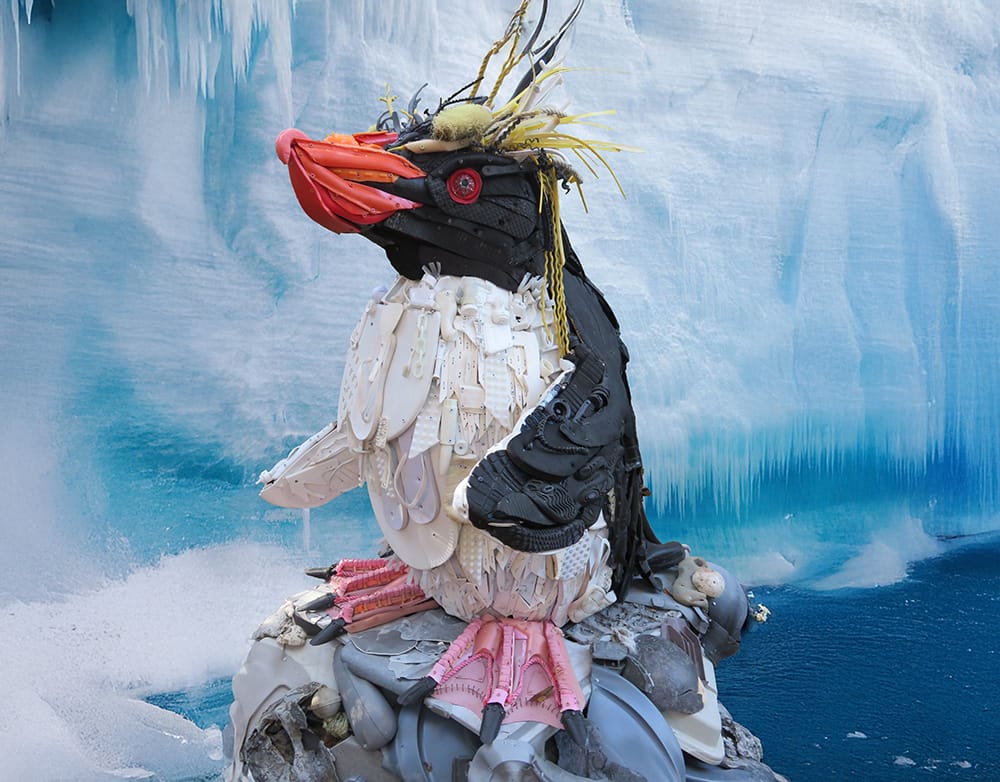
Zorabelle the Rockhopper Penguin

Washburn University Student Union

Sturgeon Fact:

Sturgeon are ancient fish that have existed for more than 200 million years, meaning they swam in Earth’s waters alongside dinosaurs. Some species can live over 100 years and grow longer than 10 feet.

STANLEY THE STURGEON

Topeka Zoo & Conservation Center

Great White Shark Fact:

Great white sharks can detect a single drop of blood in about 25 gallons of water and sense tiny electrical signals given off by other animals, helping them locate prey even when they cannot see it.

GRETA THE GREAT WHITE SHARK

Topeka Zoo & Conservation Center

SEAHORSE Fact:

In seahorses, the male carries the babies. The female places her eggs into a pouch on the male’s belly, where he fertilizes and protects them until hundreds of tiny seahorses are ready to be released.

DANDELION THE SEAHORSE

Kansas Children’s Discovery Center

Blue Tang Fact

The bright blue tang may look friendly, but it has sharp, retractable spines near its tail that it uses to defend itself from predators. These spines are so sharp they can easily cut skin.

BERNIE THE ROYAL BLUE TANG

Topeka & Shawnee County Public Library

Jelly Bloom Fact:

Jellyfish blooms—large clusters containing millions of individuals—can stretch for kilometers and are often caused by environmental triggers like rising water temperatures, pollution, and overfishing of their natural predators.

SEA JELLY BLOOM
NOTO Arts District

Rockhopper Penguin

Rockhopper penguins get their name from their unique way of moving across rocky shorelines. Instead of waddling like other penguins, they often hop from rock to rock using their strong legs and sharp claws.

ZORABELLE THE ROCKHOPPER PENGUIN

Washburn University Student Union

Each location offers a unique opportunity to experience the art and reflect on how plastic pollution affects ecosystems everywhere.

Partners in Conservation

We thank our partners for helping bring this important exhibit to our community: